

For a long time, dental and medical practices have operated in isolation, which means they have separate insurance and separate records. However, these silos are breaking down because the link between oral health and systemic diseases like diabetes, cardiovascular disease, and adverse pregnancy outcomes becomes undeniable. That is the reason why healthcare is moving toward a more integrated care model. Several dental procedures that were once considered oral health services are now required to have medical justification and cross-coding for getting proper reimbursement because the lines between dental and medical billing are becoming increasingly interconnected. At the center of this integration lies the correct use of CDT codes, ICD-10 diagnosis codes, and compliant documentation.
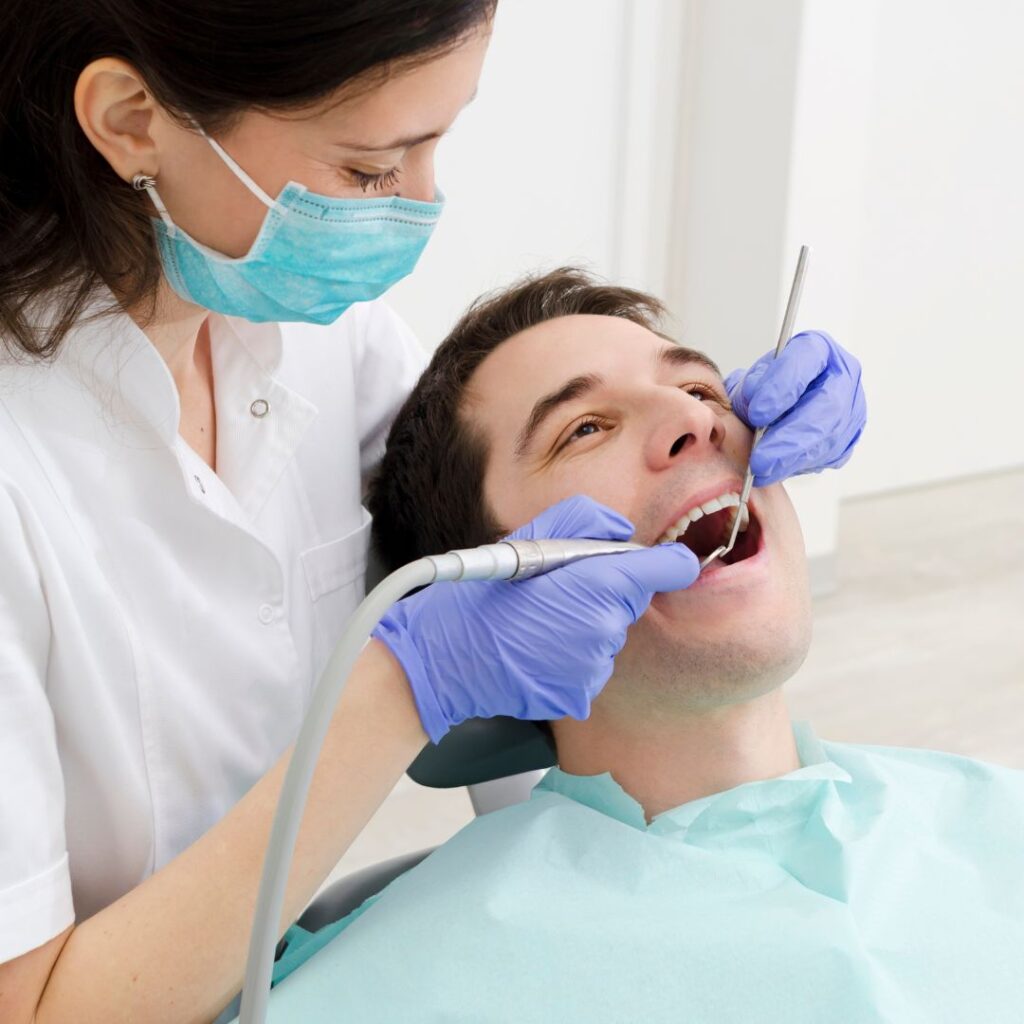
Now having an understanding of how CDT codes fit into dental medical billing plays a vital role in reducing the risks of denials and improving the reimbursement.
Understanding Dental–Medical Integration
Dental–medical integration coordinated approach of combining dental care with medical care to treat patients in a more efficient way. It recognizes that oral health is directly connected to systemic health conditions like sleep apnea, diabetes, TMJ disorders, oral infections, etc due to which collaboration between dental and medical become essentials.
If we explain in simple words, dental–medical integration means aligning CDT codes, ICD-10 diagnosis codes, and clinical documentation in a way that medically necessary dental services can be reimbursed through medical insurance. It has a direct impact on improving patient care and simultaneously reducing claim denials.
When Dental Exams Require Medical Justification
Medical justification is required in situations when a certain dental procedure or service is performed to treat or manage a diagnosed medical condition, or a certain dental exams require a medical billing when thay are performed to diagnose a certain medical condition. Common examples include
- Oral evaluations related to trauma, facial injuries, or oral cancer screening.
- Dental exams linked to sleep-disordered breathing or obstructive sleep apnea
- Oral assessments for patients undergoing chemotherapy or radiation
- Dental infections impacting systemic health
The Importance of ICD-10 with CDT Codes
CDT codes describe the procedure, and ICD-10 codes explain why the service was necessary, and ICD-10 with CDT codes is considered the foundation of compliant dental–medical integration.
Successful cross-coding requires multiple things, such as:
- Precise ICD-10 diagnosis selection
- Accurate and complete clinical documentation linking dental findings to systemic conditions
- Alignment with insurance medical policies and guidelines.
In the absence of proper diagnosis linkage, insurance companies usually reject the claims, even when the service itself was appropriate.

Cross-Coding: Bridging Dental and Medical Billing
Cross-coding requires a high level of precision and expertise; it allows dental procedures to be submitted to medical insurance when clinically justified. Effective cross-coding makes sure that dental services are getting reimbursed promptly under medical insurance when applicable.
Some common cross-coding challenges include:
- When the diagnosis-to-procedure linkage is incorrect.
- Lack of medical terminology in dental notes or inaccurate documentation because payers need detailed clinical notes explaining the medical conditions.
- Missing documentation or incomplete documentation for medical necessity
- Use of dental-only language in medical claims
How Integrated Dental Billing Improves Revenue
Integrated dental billing improves rge revenue significantly when CDT codes are used correctly within a dental–medical billing framework. It helps the practices expand their reimbursement opportunities, reducing write-offs for medically necessary exams, improving claim acceptance rates, and strengthening compliance and audit readiness. It transforms dental exams from a limited dental claims into broader medical revenue opportunities.
How StafGo Health Supports Dental–Medical Integration
The role of CDT codes in dental–medical integration is very crucial as payers look for stronger medical justification; the practices must align CDT codes, ICD-10 diagnoses, and documentation to secure accurate reimbursement. At StafGo Health, we specialize in integrated dental billing and expert-led RCM solutions. We will help your practices to identify medically billable dental services, apply ICD-10 with CDT codes accurately, strengthen documentation for medical necessity, and navigate complex cross-coding requirements. With our right strategy and expertise, dental–medical integration becomes a powerful revenue driver—not a compliance risk.


