🚨 Limited-Time Offer: Free RCM Audit worth — $1,500 Value! Claim Yours Today!

StafGo Health Logo

Author name: admin

Uncategorized

Why Medical Revenue Cycle Management Is Critical for Healthcare Providers

In today’s rapidly evolving healthcare landscape, providing the best care to patients is only half the battle; the other half is financial survival.  Healthcare providers are facing high operational costs, stricter payer regulations, rising claim denials, and increasingly complex reimbursement systems. Hence, Medical Revenue Cycle Management becomes an essential factor for the sustainable growth of practices.  A well-organized Medical RCM  makes sure that providers are getting paid fairly and on time for the services they provided to the patients. Understanding Medical Revenue Cycle Management   Medical Revenue Cycle Management is the process that helps providers track a patient’s journey from the first appointment phone call to the final payment, ensuring they are reimbursed for the life-saving work they do. In this end-to-end process, patient billing and revenue generation are managed, which includes patient scheduling, eligibility verification, medical coding, claims submission, denial management, payment posting, and patient collections. It helps in minimizing errors, speeding up the reimbursement, and improving the overall financial performance of the practices.   Why Medical Revenue Cycle Management Is Critical for Healthcare Providers   1. Improves Claim Accuracy and Reimbursement Speed Efficient Revenue Cycle Management significantly improves the claim accuracy and reimbursement speed. Inaccurate coding or incomplete documentation always leads to claim rejections and delayed payments. With the help of an efficient RCM workflow in healthcare, claims are reviewed and submitted correctly the first time, which increases the clean claim rates and reduces the turnaround time for reimbursements.   2. Reduces Claim Denials and Revenue Leakage Claim denials are a major source of lost revenue. Strategic RCM reduces the claim denials and revenue leakage to a great extent. A strong RCM system identifies denial patterns, addresses root causes behind them, and implements effective strategies to recover revenue that would otherwise be lost.   3. Strengthens Cash Flow and Financial Stability RCM strengthens the cash flow and financial stability of the practices. Consistent cash flow plays a vital role in paying staff, investing in advanced technologies, and expanding services. Optimized medical billing and revenue cycle management not only accelerates collections and shortens accounts receivable cycles, but also provides predictable revenue streams for healthcare organizations.    4. The Rise of Patient Financial Responsibility After the government,  patients are often the second-largest “payer” for practices due to high-deductible health plans. Collecting money from patients is definitely a big task for practices. RCM processes include upfront cost transparency. By providing patients with accurate estimates and flexible digital payment options before they leave the office, practices reduce “bad debt” and improve the patient experience. 5. Ensures Regulatory Compliance Without effective Medical Revenue Cycle Management, a well-run practice can face penalties, audits, and reputational damage because of errors. Healthcare billing must comply with payer guidelines, coding standards, and government regulations. Medical Revenue Cycle Management ensures that billing practices meet compliance requirements and reduces the legal and financial risk.   6. Reduces Administrative Burden on Staff It surely reduces the administrative burden on the office staff because manual billing processes increase the workload and the risk of human error. By streamlining medical billing and revenue cycle management, the processes and staff can focus more on patient care and less on paperwork, improving productivity and operational efficiency.   7. Provides Actionable Data and Insights A strong RCM system not only reduces the administrative burden on the staff but also provides actionable data and insights. It generates valuable reports on claim performance, denial trends, and payer behaviour. These insights help healthcare leaders make informed decisions to improve operations, optimize staffing, and strengthen long-term revenue strategies. How StafGo Health Supports Medical Revenue Cycle Management   Medical Revenue Cycle Management is the backbone of every successful healthcare organization. StafGo Health offers comprehensive end-to-end Medical Revenue Cycle Management solutions, which are mainly designed to improve the operational efficiency and financial performance of your practice. Our expert-driven approach not only ensures accurate medical coding, clean claim submission, and proactive denial management but also accelerates reimbursements.   We combine advanced technology with experienced billing professionals. StafGo Health helps healthcare providers streamline their medical billing and revenue cycle management, reduce errors, and maintain a strong, compliant RCM workflow in healthcare—so providers can focus on delivering quality patient care. Why Medical Revenue Cycle Management Is Critical for Healthcare Providers Financial Sustainability in Medical Practices: 7 Strategies for Long-Term Growth The Role of CDT Codes in Dental–Medical Integration: When Dental Exams Need Medical Justification Load More


Financial Sustainability in Medical Practices: 7 Strategies for Long-Term Growth
Uncategorized

Financial Sustainability in Medical Practices: 7 Strategies for Long-Term Growth

Financial sustainability means being able to handle economic uncertainties and grow over the long term without compromising values, social equity, environmental responsibility, and governance. In the healthcare ecosystem, these uncertainties could include claim denials, staff shortages, healthcare disputes, and cyberattacks, among many others. Let’s discuss financial sustainability for a medical practice. It is about handling tough times and bouncing back easily from financial hurdles and other setbacks, and keeping the business consistently strong and growing. This kind of resilience can be achieved through thoughtful efforts. In this blog, we are going to discuss some mindful strategies that can help your practice to achieve long-term sustainable growth. 1. Expand your patient base To expand your patient base, you should not rely only on your current patients and word of mouth; however, you would require a continuous demand for your service. You have to attract a diverse group of people and consider offering new medical services, complementary services, time-sensitive offers, or you can also target additional patient demographics. Another idea could be contracting with additional payers to get a broader patient base.   2. Add More Telehealth  To get financial stability, you have to make provisions for patients so that they can reach you anytime, anywhere. For that purpose, adding more telehealth is a good option. You should offer more virtual appointments to make it easier for patients to see you, especially for patients with tight schedules or transportation problems. This practice can increase your appointment numbers and reduce the chances of missed appointments. Saving money on office space is an additional advantage.   3. Improve Your Online Presence  In this fast era of the internet-bound lifestyle, you should not cut back on your online visibility. Invest in your social media marketing and on your website so that patients can easily reach you online in no time. To build a strong brand value in the healthcare market, encourage patients to leave reviews of their experience and suggestions so that you can improve your services accordingly. Utilize social media platforms to share helpful content like videos and blog posts to enhance your online presence.   4. Use the Right Technology  To achieve the goal of long-term financial sustainability, invest in the latest technology. You should get an advanced electronic health record (EHR) and practice management system that can help you run your practice more smoothly and efficiently, from scheduling appointments for patients to getting the right payments. so that you can focus on the best patient care.   5. Give Patients a Great Experience Patient satisfaction is of utmost importance for practices because without it, you would not have a business. When you provide the best care and the patient has a positive experience, it will not only boost your revenue but also increase the chance that they will return and tell others about your practice, which will ultimately grow your patient base and improve your revenue growth. For patients’ convenience, give them the ability to self-schedule and pay bills online, and provide patients’ portals so that they can communicate with providers through secure messaging. It will surely increase patient engagement as well as cultural sensitivity, respectful communication, and much more. 6. Focus on Cash Flow  To keep a keen eye on the money the practice is gaining or losing is the most crucial aspect of financial sustainability. In the absence of smooth cash flow, your medical practice will face multiple challenges. To avoid this, you should regularly check for denied claims, review your billing codes for accuracy, and make sure you’re collecting payments from patients on time. You can also take help from an outsourcing firm to manage your billing more efficiently. It will help you to manage denials, promote clean claim submission, and focus on patient collections in revenue cycle management. It can also streamline operations, reduce administrative burden, and improve cash flow through specialized expertise and efficient processes.   7. Renegotiate Insurance Contracts  Financial sustainability means advocating for yourself and the payment rate you deserve for providing high-quality patient care. Hence, do not be afraid to ask for the appropriate raise. Make it a priority to ask for a raise at least every few years (or sooner if warranted) and be sure to keep an eye toward the future in terms of Medicare physician payment reform.   Hire the Right Team – Your team is as important as your patients. For the growth of your practice, you should hire people who can share your final goals because your medical and administrative teams are equally crucial. Hence, they should be dedicated and smart enough to handle several hurdles to make your practice successful. With the help of a strong team, you will be able to grow your business over time and stay focused on what’s most important and work toward the common goal of financial sustainability.   Conclusion As the medical practices are facing multiple challenges in this fast-paced time of instability, financial survival is very critical. At StafGo Health, we help medical and dental practices to achieve financial sustainability through our expert-led revenue cycle management and technology-driven billing services. We make sure that the number of your claim denials reduces and the clean claim submission rate improves significantly. Our services also enhance patient financial experiences with transparent billing and easy payment options. By minimizing administrative burden and optimizing operations, StafGo Health enables practices to focus on quality care while achieving long-term growth. Financial Sustainability in Medical Practices: 7 Strategies for Long-Term Growth The Role of CDT Codes in Dental–Medical Integration: When Dental Exams Need Medical Justification How Office Design Influences Patient Perception and Retention Load More

The Role of CDT Codes in Dental–Medical Integration: When Dental Exams Need Medical Justification
Uncategorized

The Role of CDT Codes in Dental–Medical Integration: When Dental Exams Need Medical Justification

For a long time, dental and medical practices have operated in isolation, which means they have separate insurance and separate records. However, these silos are breaking down because the link between oral health and systemic diseases like diabetes, cardiovascular disease, and adverse pregnancy outcomes becomes undeniable. That is the reason why healthcare is moving toward a more integrated care model. Several dental procedures that were once considered oral health services are now required to have medical justification and cross-coding for getting proper reimbursement because the lines between dental and medical billing are becoming increasingly interconnected. At the center of this integration lies the correct use of CDT codes, ICD-10 diagnosis codes, and compliant documentation. Now having an understanding of how CDT codes fit into dental medical billing plays a vital role in reducing the risks of denials and improving the reimbursement.    Understanding Dental–Medical Integration Dental–medical integration coordinated approach of combining dental care with medical care to treat patients in a more efficient way. It recognizes that oral health is directly connected to systemic health conditions like sleep apnea, diabetes, TMJ disorders, oral infections, etc due to which collaboration between dental and medical become essentials.  If we explain in simple words, dental–medical integration means aligning CDT codes, ICD-10 diagnosis codes, and clinical documentation in a way that medically necessary dental services can be reimbursed through medical insurance. It has a direct impact on improving patient care and simultaneously reducing claim denials.   When Dental Exams Require Medical Justification Medical justification is required in situations when a certain dental procedure or service is performed to treat or manage a diagnosed medical condition, or a certain dental exams require a medical billing when thay are performed to diagnose a certain medical condition. Common examples include Oral evaluations related to trauma, facial injuries, or oral cancer screening.  Dental exams linked to sleep-disordered breathing or obstructive sleep apnea Oral assessments for patients undergoing chemotherapy or radiation Dental infections impacting systemic health The Importance of ICD-10 with CDT Codes CDT codes describe the procedure, and ICD-10 codes explain why the service was necessary, and ICD-10 with CDT codes is considered the foundation of compliant dental–medical integration.  Successful cross-coding requires multiple things, such as: Precise ICD-10 diagnosis selection Accurate and complete clinical documentation linking dental findings to systemic conditions Alignment with insurance medical policies and guidelines. In the absence of proper diagnosis linkage, insurance companies usually reject the claims, even when the service itself was appropriate. Cross-Coding: Bridging Dental and Medical Billing Cross-coding requires a high level of precision and expertise; it allows dental procedures to be submitted to medical insurance when clinically justified. Effective cross-coding makes sure that dental services are getting reimbursed promptly under medical insurance when applicable. Some common cross-coding challenges include: When the diagnosis-to-procedure linkage is incorrect. Lack of medical terminology in dental notes or inaccurate documentation because payers need detailed clinical notes explaining the medical conditions. Missing documentation or incomplete documentation for medical necessity Use of dental-only language in medical claims How Integrated Dental Billing Improves Revenue Integrated dental billing improves rge revenue significantly when CDT codes are used correctly within a dental–medical billing framework. It helps the practices expand their reimbursement opportunities, reducing write-offs for medically necessary exams, improving claim acceptance rates, and strengthening compliance and audit readiness. It transforms dental exams from a limited dental claims into broader medical revenue opportunities.   How StafGo Health Supports Dental–Medical Integration The role of CDT codes in dental–medical integration is very crucial as payers look for stronger medical justification; the practices must align CDT codes, ICD-10 diagnoses, and documentation to secure accurate reimbursement. At StafGo Health, we specialize in integrated dental billing and expert-led RCM solutions. We will help your practices to identify medically billable dental services, apply ICD-10 with CDT codes accurately, strengthen documentation for medical necessity, and navigate complex cross-coding requirements. With our right strategy and expertise, dental–medical integration becomes a powerful revenue driver—not a compliance risk. The Role of CDT Codes in Dental–Medical Integration: When Dental Exams Need Medical Justification How Office Design Influences Patient Perception and Retention A Step-by-Step Guide to Dental Practice Buildouts: From Vision to Opening Day Load More

How Office Design Influences Patient Perception and Retention
Uncategorized

How Office Design Influences Patient Perception and Retention

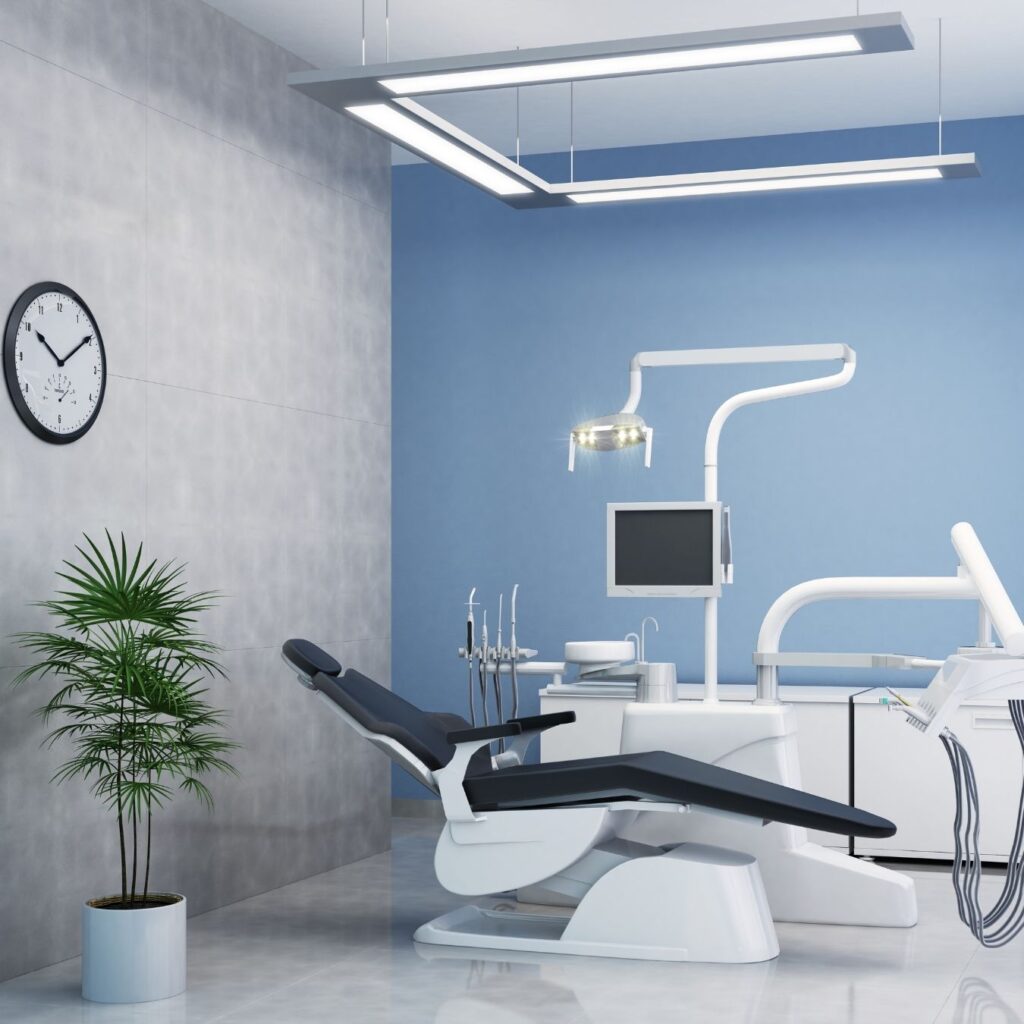
In today’s competitive world, the patient experience extends beyond clinical care. Their perception of your clinic begins to shape from the moment a patient walks through your door. Your office environment and office design play an important role in influencing the trust, comfort, and satisfaction level, and also whether patients would return to your office or not.  A well-designed healthcare or dental office not only looks impressive but it also supports more patient retention, strengthening brand identity, and enhancing the overall practice’s performance and its growth. In this blog, we are going to explore how a practice design impacts the perception and long-term loyalty. First Impressions Set the Tone First impressions always play a major role in establishing a harmonious relationship with the patients, as the patient forms opinions within seconds of entering a dental office. An outdated, cluttered, or poorly lit space can create a bad impression, while a well-managed, clean, and modern environment immediately builds confidence in the patients. Design elements such as open, uncluttered layouts, warm lighting, calming colors, clear signage, and easy navigation can show the professionalism of your practice. When patients feel comfortable right away, they are more likely to return or recommend to others.   Comfort Reduces Anxiety and Builds Trust A comfortable environment in the practice also plays a crucial role, as patients come to practices with stress. The design of the practice can significantly reduce patient anxiety through thoughtful choices. Practices should focus on several points, like ergonomic seating in waiting areas, noise reduction strategies, natural light, soothing décor, and child-friendly or family-friendly spaces. The overall performance of the patients improves when they feel relaxed and cared for, which leads to future visits.   Efficient Layout Improves Patient Flow Confusing hallways, longer wait times, or overcrowded spaces can lead to frustration or discomfort in patients. Hence, an efficient layout is also important. A well-planned office layout directly impacts how smoothly patients move through your practice. An efficient design ensures seamless movement of the patients and visitors between reception, operatories, and exam rooms, reduces congestion and wait times, and ensures efficient check-in and check-out processes. It shows respect for patients’ time—a key factor in patient satisfaction and retention.   Design Reflects Your Brand and Values Your practice design reflects your brand, as it is a physical representation of your brand. It communicates your practice’s values without saying a word, whether you want to appear modern, family-friendly, luxury-focused, or technology-driven. Design includes colors, materials, interior décor, digital displays, and signage. It helps in creating a memorable experience in patients’ minds.   Cleanliness and Organization Build Confidence Patients often associate cleanliness with clinical quality and safety. A well-maintained office reflects professionalism and adherence to high standards. Patients closely observe cleanliness and organization, often associating them with clinical quality and safety. A well-maintained office signals professionalism and adherence to high standards, which leads patients to feel confident in your practice environment, and they are more likely to trust your care. Design features that support cleanliness include easy-to-clean surfaces, organized workspaces, and clearly separated clinical and non-clinical areas Technology-Driven Design Enhances Experience In this technology-driven era, modern office design increasingly integrates with advanced technologies to improve patient engagement and convenience. Some examples are digital check-in kiosks, patient education screens, online scheduling and payment portals, and secure patient communication systems. It helps in positioning your practice as a forward thinker and patient-focused. Staff-Friendly Design Leads to Better Patient Care A staff-friendly practice layout plays an important role in improving staff productivity and morale, which ultimately leads to better patient care, because office design doesn’t just affect the patients; it also impacts your staff. Hence, your office should have clean workspaces, proper lighting, and ergonomic layouts. An efficient team provides faster service, better patient interactions, and more delightful experiences, which has a direct impact on patient retention.   The Long-Term Impact on Patient Retention A comfortable office environment has a long-term impact on patient retention. When patients feel priority, respect, and confidence in your practice atmosphere, they are far more likely to keep regular appointments with your practice, accept various treatment plans, refer friends and family, and leave positive online reviews. It is a powerful driver of patient loyalty and practice sustainability growth.   Final Thoughts Office design is not just about aesthetics; it is a strategic investment in patient perception and retention. Your practice design decision shapes how your patients experience your practice as a whole.   StafGo Health’s Buildout Solutions are designed in a way to help practices turn their vision into a fully functional, growth-ready facility. We help our partners by creating a welcoming, functional, and modern environment. Healthcare and dental practices can strengthen patient relationships to a great extent. Because a well-designed office doesn’t just attract patients, but it keeps them coming back. How Office Design Influences Patient Perception and Retention A Step-by-Step Guide to Dental Practice Buildouts: From Vision to Opening Day Optimizing Revenue: How to Use CDT Code Frequency Limits to Maximize Reimbursement Load More

A Step-by-Step Guide to Dental Practice Buildouts: From Vision to Opening Day
Uncategorized

A Step-by-Step Guide to Dental Practice Buildouts: From Vision to Opening Day

Expanding an existing dental practice or launching a new startup is a major professional milestone. However, a dental practice buildout is an intricate journey that requires more than just a general contractor. It demands a specialized coordination of clinical workflow, architectural design, and financial planning. In this guide, we walk you through the complete dental buildout process, ensuring your new space is optimized for both patient experience and maximum production. Step 1: Define Your Clinical Vision & ROI Goals Every successful buildout starts with a clear objective. Before scouting locations or meeting with dental office design-build firms like Henry Schein (Integrated Design Studio), Benco Dental, or Patterson Dental, define your practice’s identity. Target Demographics: Who are you serving? High-end cosmetic patients or family-focused PPO? Capacity Planning: How many operatories do you need for your 5-year growth plan? Designing for current needs only is a common mistake; ensure your plumbing and electrical are “roughed-in” for future expansion. Specialization: Will you focus on General Dentistry, or do you need specialized suites for Oral Surgery, Orthodontics, or Endodontics? Pro Tip: Design for the “Goldman Circle”—optimizing the movement of the dentist and assistant to reduce fatigue and increase hourly production. Step 2: Create a Solid Financial Roadmap A buildout is a significant capital investment. A detailed financial plan helps you stay within budget and secure competitive financing from dental lenders like Bank of America Practice Solutions or Wells Fargo Practice Finance. Your budget should account for: Soft Costs: Architectural fees, permits, legal reviews, and specialized healthcare consultancy. Hard Costs: Construction, specialized dental plumbing (vacuum and compressed air), and lead lining for safety compliance. Clinical Tech: High-end dental equipment including chairs, delivery units, and CBCT imaging from brands like Dentsply Sirona or Planmeca. Pre-opening expenses: This is where many fail. You must budget for Marketing and Insurance Credentialing months before the doors open to ensure cash flow starts on day one. Step 3: Strategic Site Selection & Evaluation Your location is the foundation of your success. Whether you are leasing a shell or renovating an existing space, consider: Infrastructure Feasibility: Can the building’s existing plumbing and electrical panels support high-volume vacuum systems and medical-grade compressed air? Upgrading a building’s main power grid can be a surprise six-figure expense. Patient Accessibility: Evaluate parking ratios, ADA accessibility, and visibility from major thoroughfares. Zoning & Compliance: Ensure the space is legally cleared for medical use before you sign a long-term lease. Step 4: Assemble a Dental-Specific Buildout Team Don’t hire a residential or generic commercial contractor. You need a team that speaks “Dental.” While major distributors offer equipment-focused planning, a specialized independent team should include: Architects with healthcare experience who understand patient flow and HIPAA privacy requirements. Project Managers who understand dental-specific plumbing, vacuum lines, and radiation shielding (Lead-lined walls). Equipment Specialists familiar with brands like A-dec, Midmark, or Pelton & Crane. The StafGo Advantage: We provide remote project management that keeps local contractors on track without the massive markups often charged by equipment-locked distributors like Benco or Henry Schein. Step 5: Master the Layout and Patient Flow The design phase translates your vision into a functional floor plan. Key considerations include: Sterilization Centers: Centrally located to minimize staff travel time and comply with strict infection control protocols. Ergonomic Operatories: Standardized room layouts allow assistants to work in any room without looking for supplies, improving clinical efficiency. Patient Privacy: Acoustic privacy between operatories and a modern, welcoming reception flow that separates check-in from check-out. Step 6: Technology & Equipment Integration Your equipment decisions should align with your clinical goals. Modern practices require seamless integration of: Digital Imaging: 3D CBCT, digital sensors, and panoramic X-rays (e.g., Dexis or Vatech). Patient Experience: Integrated chairside entertainment and intraoral cameras for improved case acceptance. Practice Management Software: Ensuring your IT infrastructure (servers, cabling, and workstations) is robust enough to handle Dentrix, Eaglesoft, or Open Dental. Step 7: Navigating Permits and “Red Tape” Navigating building codes and healthcare regulations is often the longest phase. You must secure: Building and radiation permits (State-specific). ADA and infection control compliance certifications. State and local health department approvals for clinical operation. Timeline Note: This phase typically determines if your project takes 4 months or 10 months. Delays in permitting are the #1 cause of pushed back opening dates. Step 8: Construction Execution & Oversight Once permits are approved, construction begins. Consistent oversight is essential to prevent “change orders” that blow the budget. Focus on: Monitoring quality and clinical-grade compliance (e.g., proper slope for gravity drains). Coordinating plumbing and electrical “rough-ins” to match the exact specifications of your chosen dental chairs. Preparing the site for equipment delivery and factory-certified calibration. Step 9: Concurrent Launch Strategy (The StafGo Method) Most doctors wait until the building is finished to start their business operations. This is a mistake. While construction is underway, you should be: Credentialing: Getting your providers enrolled in PPO networks early (this can take 90-120 days). Without this, you cannot bill insurance on opening day. Billing Setup: Configuring your RCM (Revenue Cycle Management) and billing workflows. Marketing: Building your patient funnel and SEO presence before the furniture even arrives. Step 10: Final Handover & Opening Day Before the ribbon-cutting, complete final inspections, equipment stress tests, and system checks. Your grand opening should be the culmination of months of coordinated effort across both the physical and administrative sides of your practice. Ensure your staff is trained on the new equipment and the “patient journey” from greeting to treatment.   Final Thoughts: Building for Profitability A dental practice buildout is the physical foundation of your future success. By following a structured approach and partnering with experienced professionals, you can avoid the common pitfalls of healthcare construction.   At StafGo Health, we offer more than just project management. We are the only firm that bridges the gap between your physical office and your financial office. While we manage your buildout, we simultaneously handle your Credentialing, Billing, and Marketing, ensuring you move from “Construction” to “Profitability” in record time.   Contact

Optimizing Revenue: How to Use CDT Code Frequency Limits to Maximize Reimbursement
Uncategorized

Optimizing Revenue: How to Use CDT Code Frequency Limits to Maximize Reimbursement

For many dental practices, poor patient volume is not the only reason for low or lost revenue; it often stems from denied or delayed insurance claims. Out of all major reasons for denials, one of the most overlooked causes of denials is the mismanagement of CDT code frequency limits.  It is highly important to understand and apply frequency rules appropriately, which helps practices boost their dental revenue, which ensures that practices submit clean claims and significantly reduce the number of rejected and reduced claims. In this blog, we are going to explain how CDT code frequency can significantly limit your work, why it matters, and how your practice can use them strategically to reduce the denied claims and improve the reimbursement outcomes.  What Are CDT Code Frequency Limits? CDT frequency limits are the coverage restrictions that limit how often or how many times a specific dental procedure or service can be covered by an insurance plan within a predetermined time period, for example, once every 6 months or once every 3 years. Examples include: D0120 (Periodic Oral Exam): This service is typically covered twice per year by the insurance companies. D0150 (Comprehensive Exam): This service is usually covered once every three years per patient, per provider, unless clinically justified. D0210 (Full-Mouth X-Rays): This procedure is often covered once every 3–5 years. To avoid unnecessary denials, it is crucial to understand these CDT code frequency limitations to comply with   Why Frequency Limits Matter for Dental Revenue One of the leading causes of claim rejections is failure to track or verify the frequency limits. With each denied claim, the administrative work increases, cash flow delays, and it also impacts the practice’s profitability.  When managed correctly, CDT frequency limits: Helps to improve the first-pass claim acceptance, which leads to timely reimbursement. Not only supports the dental reimbursement optimization, but it also decreases the chances of claim rejection. Significantly reduces the number of write-offs and resubmissions. Strengthens the patient’s trust through accurate billing. Best Practices to Use CDT Frequency Limits Strategically   1. Verify Insurance Benefits Before Every Visit To avoid the chances of denial or rejection by the payer due to frequency limit, you should always verify insurance benefits before every visit of the patient. One of the most effective dental reimbursement tips is proactive eligibility and benefit verification. How This Helps It confirms the remaining benefits and frequency eligibility of the patients. It identifies the waiting periods and exclusions for the procedures. It also allows the practices to inform patients upfront, which promote the clear communication. 2. Track Frequency Limits in Your Practice Management System Practices should not rely on memory or manual notes only because it often leads to mistakes. You should use your software to track the last date of service for exams, cleanings, and radiographs. Tracking frequency limits in your practice management system helps in many ways.  How This Helps It prevents the chances of premature claim submission or claim denials. It also makes sure that you comply with insurance billing guidelines It supports the clean claim submission in the first attempt. 3. Use Medical Necessity to Override Frequency When Appropriate In case of some emergency, when strong medical necessity documentation is available, insurance companies may allow services outside the standard limits. To avoid rejection, you can use medical necessity to override the frequency when appropriate. Examples Include: It could happen in sudden oral pain or trauma. Also applicable in advanced periodontal disease Rapid deterioration of oral health 4. Educate Patients on Frequency Rules and Out-of-Pocket Costs Transparent communication and educating patients on frequency rules and their out-of-pocket expenses in advance can build trust and improve patient collections. How This Helps Thats how patients understand their financial responsibility and what insurance will and won’t cover It also lowers the billing disputes It also improves the acceptance of treatment plans 5. Monitor Denial Trends Related to Frequency Limits To reduce the number of denials and rejections, you should always analyze the denial data to help identify patterns and recurring issues. How This Helps Monitoring the denial trends highlights the workflow gaps It improves coding and documentation accuracy to a significant extent. It enables proactive denial prevention. Common Mistakes That Lead to Frequency-Based Denials   Submitting claims without benefit verification:When practices fail to verify the insurance benefits at the appropriate time, it can result in billing services that are not covered or have exceeded frequency limits, which ultimately leads to avoidable denials.   Billing CDT codes too early:Practices submit the CDT codes even before the allowed frequency period, and it often triggers automatic claim rejections and delays reimbursement from the payer’s side. Missing documentation for medical necessity:Practices miss the submission of proper documentation, which is required to prove medical necessity. Without clear clinical justification and supporting notes, insurers usually deny claims even when the service was necessary. Using incorrect exam or diagnostic codes:This is the most common mistake in which practices use the incorrect exam or diagnostic codes. Incorrect code selection causes mismatches between services performed and billed, which increases the denial risk and audit exposure. Poor communication between clinical and billing teams:Lack of proper communication and coordination leads to incomplete documentation and coding errors, which disrupts the clean claim submission and cash flow of the practice.   Avoiding all the above mentioned errors is highly essential to maintain a healthy revenue cycle.   How Dental Billing Services Help Optimize Reimbursement Partnering with professional dental billing services like StafGo Health, which has a team of experienced RCM experts who help practices to submit claims correctly for the first time, minimize denials, and maximize revenue, can ensure the following benefits for the practices- Accurately tracking the CDT frequency limits of your patients.  Facilitating the expert application of insurance billing guidelines Submitting strong documentation to the payers to support the medical necessity of the service. Faster reimbursements and reduced A/R days Conclusion Understanding and leveraging CDT code frequency limits is a powerful way to optimize reimbursement and protect your practice’s bottom

Uncategorized

Best Practices for Documenting D0150 and D0210

Appropriate documentation plays an important role in the timely reimbursement of the claim in the first attempt only. It is as important as correct coding in dental and medical billing. Even when the right codes are applied, incomplete or incorrect documentation can lead to delays in claim submission, claim denials, and lost revenue. There are two most frequently audited diagnostic CDT codes—D0150 (Comprehensive Oral Evaluation) and D0210 (Intraoral Complete Series of Radiographic Images), which require strong clinical justification and supporting documents to meet the payer’s expectations and requirements. Understanding of these dental documentation requirements for these codes is highly important for submission of a clean claim, proactive denial prevention, and faster reimbursement of the claim. In this blog, we are going to highlight the best practices that are required for CDT documentation, with a special focus on D0150 documentation and D0210 documentation. Why Documentation Matters in Dental Billing Documentation is an essential element in the management of the complete billing cycle. Payers heavily rely on the documentation provided by the practices to determine whether a service was: Medically necessary or not. Clinically appropriate or not. Performed as per the CDT guidelines Appropriate and sufficient documentation provides medical necessity proof to the payers and also protects the practices during audits. Incomplete or vague records usually result in claim denials even when the procedure itself was appropriate. Documentation Best Practices for D0150 What is D0150? The D0150 CDT code is used for a comprehensive oral evaluation. It is typically used for new patients or for those patients who are not seen for an extended period of time. This evaluation establishes a baseline diagnosis and treatment plan.   D0150 Documentation Requirements The main document requirement for this code is that it should clearly show or demonstrate that a complete and comprehensive oral exam was performed by the dentist, and it was not a routine checkup.    Best Practices for D0150 Documentation This code is applied only in the condition when the patient’s status is new or when the patient is long-absent. Practices must submit the complete medical and dental history in the documents. The documentation should contain a review of systemic conditions affecting the oral health of the patient.  The reports should have the extraoral and intraoral examination findings. The report should also have a periodontal evaluation and risk assessment. It should also show the charting of existing restorations and missing teeth. The documents should include an initial diagnosis and a comprehensive treatment plan. Medical Necessity Proof for D0150 It is essential to explain why a full evaluation was required. An essential document for any complex conditions or oral health concerns of the patients. Diagnostic findings that can justify the treatment planning should also be included. Important Tip: D0150 billing should be avoided without full clinical notes/documents because the chances of the claim being denied or downcode becomes high. Documentation Best Practices for D0210 What Is D0210? The D0210 CDT code is the code that represents a complete intraoral radiographic series (FMX). It typically consists of 14–22 images. It is often used for new patients or when an extensive diagnostic evaluation is required in the treatment of the patient.   D0210 Documentation Requirements In the case of D0210, payers carefully review the documentation to ensure that both the number of images taken by the practice and the clinical necessity for a full-mouth series are clearly justified.   Best Practices for D0210 Documentation The appropriate number or the total number of radiographic images captured must be included in the documentation. Correct date and purpose of the radiographs should be mentioned. Clinical findings supporting the need for FMX should be included. Evidence of periodontal disease, decay, or pathology should also be included. To support the documentation, practices should include diagnostic interpretation notes. Attachment of images when requested must be included. Medical Necessity Proof for D0210 It is important to document conditions such as advanced decay, periodontal disease, or trauma for the smooth processing of the claim. It is also important to explain why a full series was required instead of bitewings or partial imaging. Prior radiograph dates should also be included to justify frequency. Important Tip: Billing D0210 in the absence of proper clinical justification is a leading cause of dental claim denials. How StafGo Health Supports Accurate CDT Documentation At StafGo Health, we help dental practices meet payer expectations by: Reviewing the documentation for completeness and compliance. Identifying the gaps before claims are submitted to the payers.  Supporting the clean claim submission and following the proactive approach for denial prevention. Helping practices to improve reimbursement timelines and cash flow. Our expert dental billing and RCM team ensures your documentation aligns perfectly with CDT coding requirements. Best Practices for Documenting D0150 and D0210 Fixing the RCM Revenue Leak: Why Strong Appeal and Denial Management Matters More Than Ever Common Billing Mistakes with D0120, D0150, D0210 And How to Avoid Them Load More

Fixing the RCM Revenue Leak: Why Strong Appeal and Denial Management Matters More Than Ever
Uncategorized

Fixing the RCM Revenue Leak: Why Strong Appeal and Denial Management Matters More Than Ever

In healthcare revenue cycle management (RCM), seeing hard-earned reimbursements disappear into the blackhole of accounts receivable (A/R) is the hardest part. Almost every provider in the US is familiar with this pain of dealing with payer denials that remain unresolved—even after multiple appeal attempts. In this ever-evolving landscape of healthcare, where practices are already facing several challenges like rising operational costs, staffing shortages, and constant policy shifts, an inefficient denial and appeal management system can severely impact the financial growth of the practice and providers. Poor denial and appeal management can derail revenue recovery if not worked with absolute precision. It is the harsh reality of healthcare RCM that healthcare providers collectively lose millions of dollars every year to preventable denials, most of which can be easily recovered with timely and well-documented appeals, but unfortunately, many appeals fail not because the payer’s denial was justified but because the appeal process lacked structure, timeliness, or adequate documentation.    In this blog, we are going to highlight how our RCM experts at StafGo Health often identify recurring internal gaps in the appeals process that compromise revenue recovery. Let’s look at the most common ones let us see how to fix them. 1. Lack of Timeliness: When the Clock Runs Out Lack of timeliness is one of the major loopholes in the effective RCM system. Time sensitivity defines every stage of RCM, from eligibility verification to claim submission and appeals. Every payer has its own predefined strict timelines for appeals, and missing those deadlines simply means losing your hard-earned money permanently. Most of the time, we frequently see practices holding aged claims that are technically still recoverable but no longer appealable because the filing window for those denied claims has already expired. Every delayed appeal is equal to the lost revenue and wasted effort of the team.   How to Fix It Implement a prompt and advanced denial tracking system that can flag denials in real time and prioritize them based on their value, payer rules, and appeal deadlines. With the help of those automated alerts and workflow routing, your team would be able to take swift, informed action, which can reduce the A/R aging remarkably and increase your appeal success rate. 2. Weak Appeal Templates: Generic Letters Don’t Win Appeals A “one-size-fits-all” appeal system does not work effectively in the RCM system of healthcare. With the help of a “one-size-fits-all” appeal template, you can rarely convince a payer to pay appropriately. Boilerplate templates that fail to address payer-specific nuances, policies, and medical necessity language often lead to denial upholding decisions. Generic letters or templates also overlook the clinical details or lack supporting data, making them more ineffective, even when submitted on time. These weak templates often ignore the payer’s specific requirements to make it a compelling case for the payers. Obviously, when the appeal templates are not customised as per the requirement and the right data, the chances of the appeal being dismissed written off by payers become high.   How to Fix It To overcome this issue, practices should develop payer-specific appeal templates that are supported by SOPs and required clinical evidence. An effective appellate appeal demands accuracy, and it should reference the payer’s exact policy language and justify the medical necessity of the procedures with accurate coding and precise documentation. 3. Insufficient Documentation: The Missing Piece of the Puzzle Incomplete or inaccurate documentation also acts as a major revenue leak. Even the most well-written and strongly compiled appeal can fall flat in the absence of complete and accurate documentation. The most common reasons payers uphold denials and dismiss appeals are missing prior authorizations, incomplete progress notes, or the absence of medical necessity proofs. Insufficient documentation of clinical notes remains one of the common and costliest reasons of appeal denial. The chances of acceptance of the appeal mainly depend on the quality and completeness of its supporting documentation: clinical notes, coding explanation, payer correspondence, and prior authorization proofs.    In many practices, especially the rural ones that are often resource-strapped,  information is often scattered across EHRs, emails, and manual records, making it difficult to compile a complete appeal package. This fragmentation weakens the appeal narrative and gives payers grounds to deny reimbursement. Even when the service is medically necessary, incomplete documentation provides payers grounds to uphold the denial, further delaying reimbursements or causing permanent revenue loss and wasted staff effort for practices.   How to Fix It Use automatic documentation validation tools to make sure that every appeal includes all necessary attachments required, clinical notes, prior auths, coding rationale, and payer correspondence. 4. Inconsistent Follow-Ups: Out of Sight, Out of Pocket Incomplete follow-up is also an add-on to the worsening condition of appeal denials. Submitting an appeal is only half the battle. In the absence of consistent follow-up, which is extremely necessary to potential recoveries, even the most valid appeals can be forgotten and ignored. Delayed or missed follow-ups are a major cause of avoidable revenue leakage and prolonged A/R cycles. When the tracking or prioritization is poor, and claims sit far too long unattended after submission, the chances of revenue leakages are invariably very high. For small and mid-sized practices where every dollar matters, inconsistent follow-ups often translate directly into prolonged AR cycles and cash flow risks. For many practices, limited staffing and manual tracking systems make it hard to monitor appeal statuses, leading to missed response windows or unresolved denials.   How to Fix It To fix this issue, practices should adopt structured follow-up workflows with automated reminders and escalation triggers. We at StafGo Health track payer response times, flag high-risk claims, and ensure timely escalations—all while maintaining a complete communication log.  This helps to accelerate the collection, reduce the A/R aging while protecting your bottom line. 5. Move from Reactive Appeals to Proactive Denial Prevention Now we all understand that fixing broken appeals is important; preventing denials altogether is the smarter long-term strategy, and the ultimate goal is to prevent avoidable denials in the first place.  Thats

Uncategorized

Common Billing Mistakes with D0120, D0150, D0210 And How to Avoid Them

In the world of dental billing, even a small coding mistake can lead to delays in getting payments, frustration among staff, and unnecessary dental claim denials.  If we talk about the most frequently used CDT exam and diagnostic dental codes, these are D0120, D0150, and D0210. The main area of errors often occurs when practices don’t understand or misunderstand when to bill these codes, how to document them properly, or how insurance plans apply frequency limitations on them. It is highly essential to understand the correct usage of these CDT codes for submission of clean claims, prevention of denials and constant reimbursement. In this blog, we are highlighting the most common dental billing mistakes related to these codes, and actionable strategies that can be implemented to avoid them. Overview of D0120, D0150 & D0210 CDT Code Description D0120 The dental code D0120 is used for coding a periodic oral evaluation for an established patient. This is a routine check-up, which is done to determine if there have been any changes that have occurred in the patient’s dental health since their last periodic evaluation.  D0150 D0150 is a dental code which is used for a comprehensive evaluation for new or long-absent patients, which includes a general assessment of the patient’s oral and medical history, his clinical examination and a periodontal screening. D0210 D0210  is a dental code which is used for a  comprehensive intraoral series of radiographic images, which is also commonly known as a Full Mouth X-ray (FMX).  While these codes appear straightforward, confusion arises around when each should be used—often resulting in denied claims or underpayments. Common Billing Mistakes & How to Avoid Them 1. Using D0120 Instead of D0150 (or Vice Versa)   The Mistake The most common mistake occurs when practice uses D0120 code instead of D0150 or vice versa. It is among the most common CDT coding errors in which practices bill D0120 for the new patients or for major diagnostic visits that require full assessment or submit D0150 for a routine check-up. This misuse of codes can cause dental claim denials due to incorrect service classification. How to Avoid It Train your staff on regular intervals so that they use D0120 only for routine evaluations on established patients Keen focus should be given on the use of D0150 for new patients, returning patients after years, or major treatment plan changes It is essential to make sure the accurate visit documentation and clinical necessity notes. Tip: To maintain consistency and accuracy in the coding, you should establish a coding protocol and staff training process on a regular basis.    2. Ignoring Frequency Limitations   The Mistake Another coding mistake is ignoring the frequency limitations. Insurance payers strictly limit how often exams and x-rays can be billed to them, which is set as 2 per year for D0120, and the limit for D0210 is every 3–5 years. Submitting before or after the eligibility resets is a major cause of dental denials. How to Avoid It To avoid these errors, you should always verify insurance benefits before the appointment of the patients. You can also track due dates in your practice management system. It is also beneficial to document medical necessity if early repetition is required. Denial Prevention Tip: To prevent the chances of denials, you should include detailed justification when you are billing early due to specific conditions like trauma, pain, or disease progression. 3. Billing D0210 Without Meeting Payer Requirements   The Mistake Sometimes, practices bill D0210 without meeting the requirements of the payers; many dental offices bill this code (full-mouth radiographs) even when the number of images taken is less than 14-22 or when the service is unnecessary for diagnosis. Both these conditions lead to denials. How to Avoid It To avoid such mistakes and denials, you should take the required image set and attach radiographs if requested by the payers. It is also essential to document the clinical reason for FMX (periodontal disease, extensive decay, pre-surgical planning). You should always confirm payer guidelines before billing. Pro Tip: To prevent denials from occurring due to this mistake, you should always use templated clinical notes to strengthen supporting documentation.   4. Missing Supporting Documentation   The Mistake Missing supporting documents are also one of the major reasons for denials. Even the justified claims can be easily denied if the chart notes do not support the billed CDT code. The lack of necessary details, like periodontal charting or clinical history weakens the claim and reduces the chances of reimbursement on time. How to Avoid It To avoid the chances of occurrence of this mistake, include diagnostic findings, treatment plan notes, and the necessary reasons. You should always attach the radiographs and perio charts where necessary to strengthen the chances of getting paid for these codes. You should mandatorily focus on standardising documentation protocols across the providers. Clean Claim Submission Tip: To prevent the denials due to missing documents, you should audit documentation properly before the creation of claim.   5. Incorrect Patient Status Classification   The Mistake Incorrect patient status classification is done by many dental offices due to ambiguity or incorrect information. This misclassifying a patient as new vs. established leads to denials, especially when billing D0150 for someone who recently received a full exam. How to Avoid It To avoid the chances of denials due to this mistake, you should define established patient criteria clearly (e.g., seen within the last 3 years) You should always maintain an accurate patient history and record tracking. You should also train your front desk and billing staff to verify status every time. Conclusion Misusing CDT codes like D0120, D0150, and D0210 may seem minor, but they can result in costly dental billing mistakes and lost revenue. By improving coding accuracy, verifying benefits, and strengthening documentation, dental practices can achieve clean claim submission and long-term denial prevention.   At StafGo Health, we understand that accurate dental coding and clean claim submission are critical for maintaining consistent cash flow. Our

Uncategorized

Top CPT Code Updates in 2025 Every Provider Should Know

The recent 2025 CPT code update of the American Medical Association (AMA) includes 270 new codes, 112 deletions, and 38 revisions. Medical innovations & advances, emerging technologies, and transforming healthcare models are some driving factors for these changes or updates in the codes. For healthcare providers, it is crucial to stay updated with these changes to reduce the risk of denials and capture all eligible revenue, as well as to stay compliant.  In this blog, we are going to enlighten the key CPT changes for 2025. This will include updates in telemedicine, remote monitoring, AI, surgery, immunizations, and many more, with the best strategies to prepare your practices. Remote Therapeutic & Patient Monitoring Remote care is continuously expanding, and this year 2025, also introduces new key updates that are going to affect Therapeutic Monitoring (RTM) and **Remote Patient Monitoring (RPM) to a great extent.  CPT code 98975: This code now includes services related to digital therapeutic intervention. CPT codes 98976–98978: These codes are revised to cover device supply for data access/transmissions. CPT code 98980: This code is also revised to include only 11–20 minutes (previously 20+ minutes). In the coming year, Jan 1 2026, RPM/RTM will cover six more new CPT codes for physiologic, musculoskeletal, respiratory, and cognitive-behavioral monitoring. Its importance – It will help the practices to increase patient engagement as well as generating steady revenue from ongoing monitoring. How to prepare: To get the benefits of these updates, practices should assess patient populations who could benefit from RPM/RTM now and prepare workflows accordingly before the 2026 rollout. Telemedicine Updates As is widely known, telehealth continues to grow, and in 2025, get the entry of 17 new CPT codes for both audio-video and audio-only kinds of visits: 98000–98003: These codes are for new patients – Audio-video visits. 98004–98007: These codes are specific for established patients – Audio-video visits. 98008–98011: These codes are used for new patients – Audio-only visits. 98012–98015: These codes are used for established patients – Audio-only visits Point To Note: In telemedicine, old telephone-only codes 99441–99443 are deleted and replaced by these new categories. Additionally, HCPCS code G2012 is replaced by CPT code 98016 (virtual check-in) Its importance: These updates will help telehealth to align a long-term role in U.S. healthcare.How to prepare: To get the benefits of these codes, providers should be trained to select the right telehealth codes and confirm payer-specific coverage. AI & Data-Driven Diagnostics A total of seven new Category III CPT codes have been introduced by AMA that capture the AI-driven data analysis: 0877T–0880T: These codes represent AI in chest imaging. 0902T–0932T: These codes represent AI for ECG measurement. 0898T: These codes represent AI-assisted prostate biopsy imaging. Why it matters: As we all know, earlier AI was considered a future, but it is now an integral part of coding standards.How to prepare: If you are currently using these AI tools in your practices, you should be prepared to deal with these updates. You should review your documentation standards to support these codes. General Surgery Revisions A new series of CPT codes updates has been introduced for general surgery, which are given below: 15011–15018: These new codes are for skin grafting techniques, which are used in the treatment of wounds. 49186–49190: These new codes are used for innovative ways of removing tumors from the abdomen. Why it matters: These updates are brought about by new surgical techniques, which are much better for patients and lead to faster recovery and better results. These new codes reflect advanced procedures.How to prepare: Coders and surgeons need to update their knowledge. Practices should crosswalk old codes to new ones to prevent all kinds of errors. Preventive Care, Immunizations & Labs The new CPT code updates are more focused on preventive care and diagnostic services.  Genetic and Molecular Testing: New codes are made for tests that analyze a person’s genes or molecules. This will help a doctor to get a clearer look at a patient’s health. Vaccinations: New codes are assigned to the latest vaccines. Proprietary Lab Analyses (PLA): Codes for special lab tests that are owned by specific companies are introduced. Why it matters: These updates show that both payers and providers are more focused on preventive care and precision medicine to provide more accurate treatment. How to prepare: To be prepared to deal with these changes, Labs and primary care providers should check the payer’s rules for coverage-related policies to prevent future denials. Preparing for CPT Changes in 2025 To deal with these updates and their respective effects, proactive preparation is essential. Here are five best practices every provider should follow: Get your 2025 CPT coding manual: You should get your 2025 CPT coding manual and highlight all the changes that apply to your specialty. Update coding software/EHR tools: It should be ensured that your systems for coding and billing are updated with all the new codes. It will reflect additions, deletions, and revisions. Educate coding and billing staff: You should train your coding and billing team about the new changes through training, webinars, and workshops. Communicate with providers: It is important that doctors and other healthcare providers know about updates so they can update their patient records and paperwork to align with the new rules. Final Thoughts These CPT code updates show a fast growth of telehealth, AI, preventive care, and innovative surgical approaches. However, this can be overwhelming for providers, but it also creates new opportunities to improve care delivery and optimize revenue. At StafGo Health, we can help practices stay ahead of coding updates with: Our Real-time denial prevention strategiesExpert training on coding complianceEnd-to-end revenue cycle management All Posts Dental – Educational Medical – Educational Uncategorized Top CPT Code Updates in 2025 Every Provider Should Know Best Strategies to Improve Medical Coding and Billing Accuracy Prevent Revenue Loss: Top 10 Medical Billing Denials in 2025 Load More End of Content.

Scroll to Top